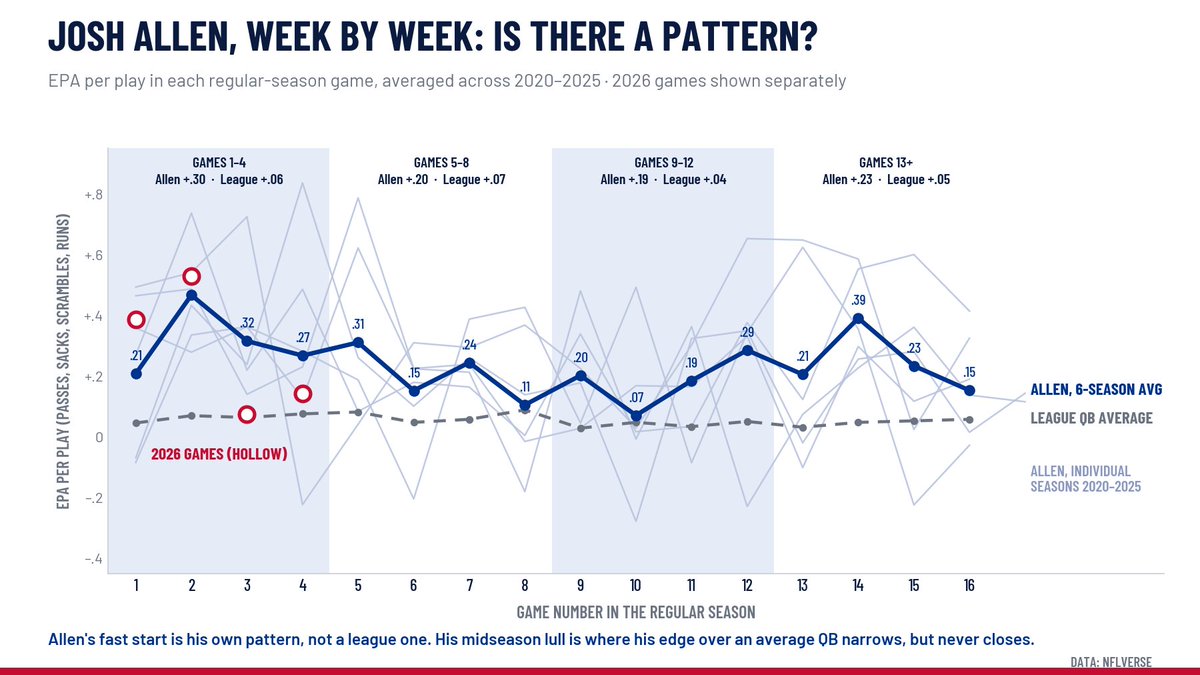
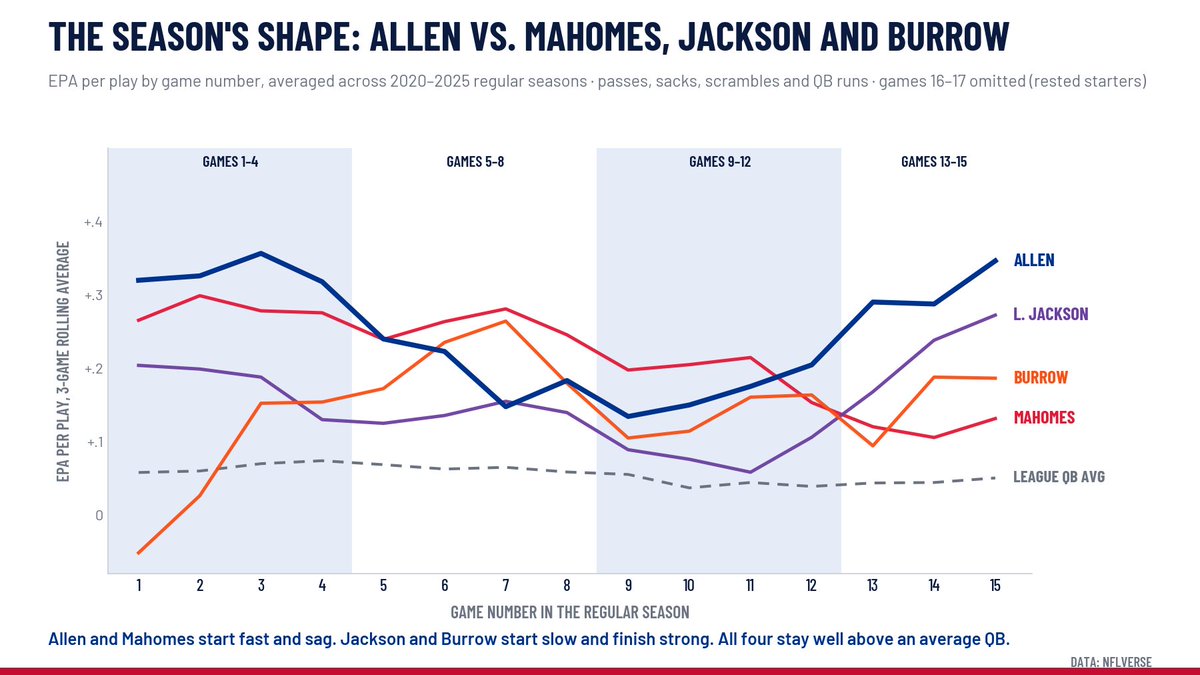
"Why does Josh Allen always have a mid season lull" in two charts.
contributed by Andy on Oct 8, 2026 in go bills, curves
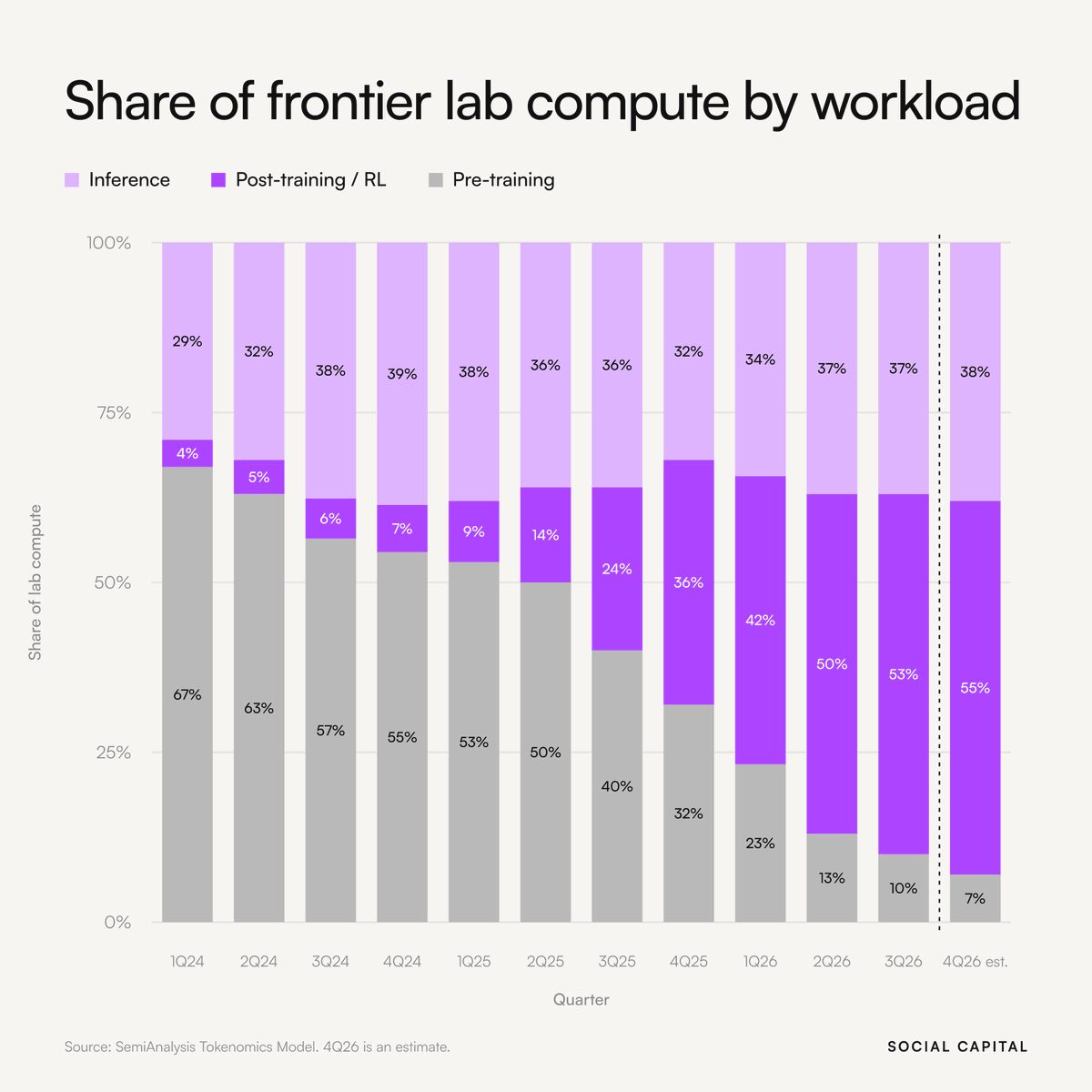
~90% of frontier lab compute now goes to post-training and inference.
contributed by Andy on Oct 6, 2026 in things that go down, things that go up, frontier, sums to 100
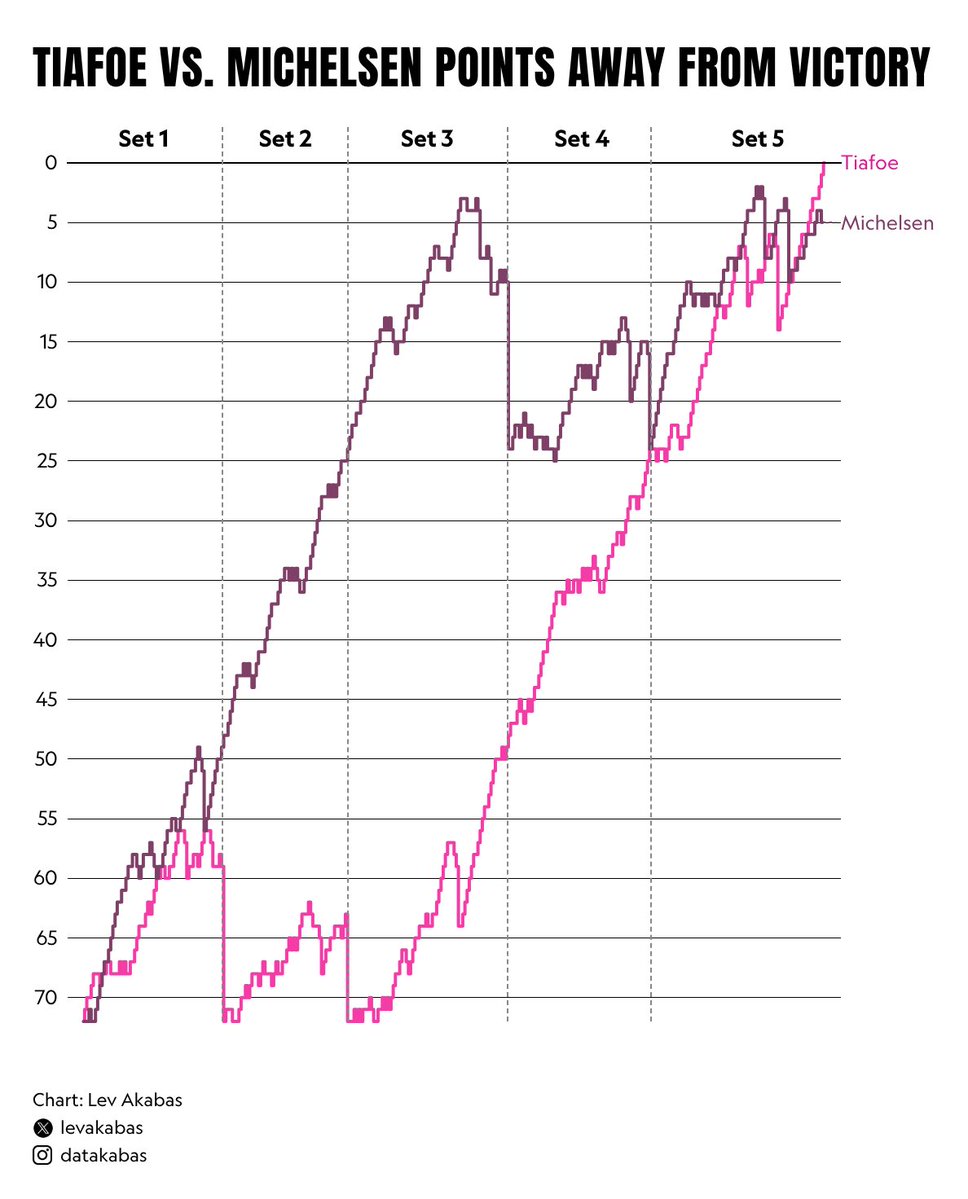
At 7-5, 6-3, 5-3... Michelsen was 4 points away from winning the match and Tiafoe was a minimum 64 points away Tiafoe won the match There is no sport like tennis
contributed by Andy on Sep 9, 2026 in race to zero, past bedtime, things that go up
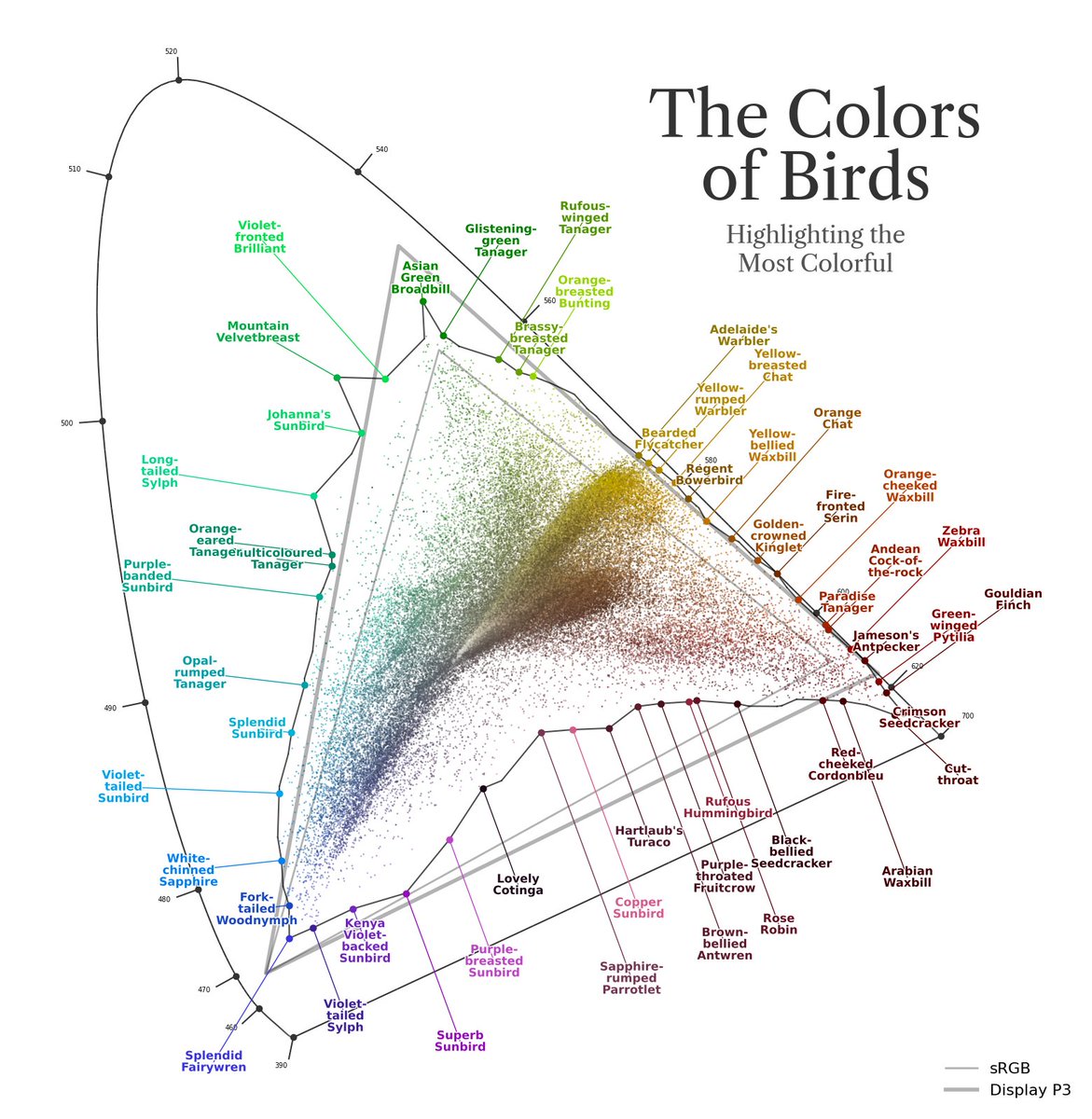
Real plot nerds might be curious how I got the text labels around the periphery to be so orderly. I computed the convex hull of the data then computed 3 expansion shells of that hull. Sequential labels alternate between each of the 3 hulls, and go to the closest spot on the hull.
contributed by Andy on Aug 16, 2026 in state-space, scatters, convex hulls
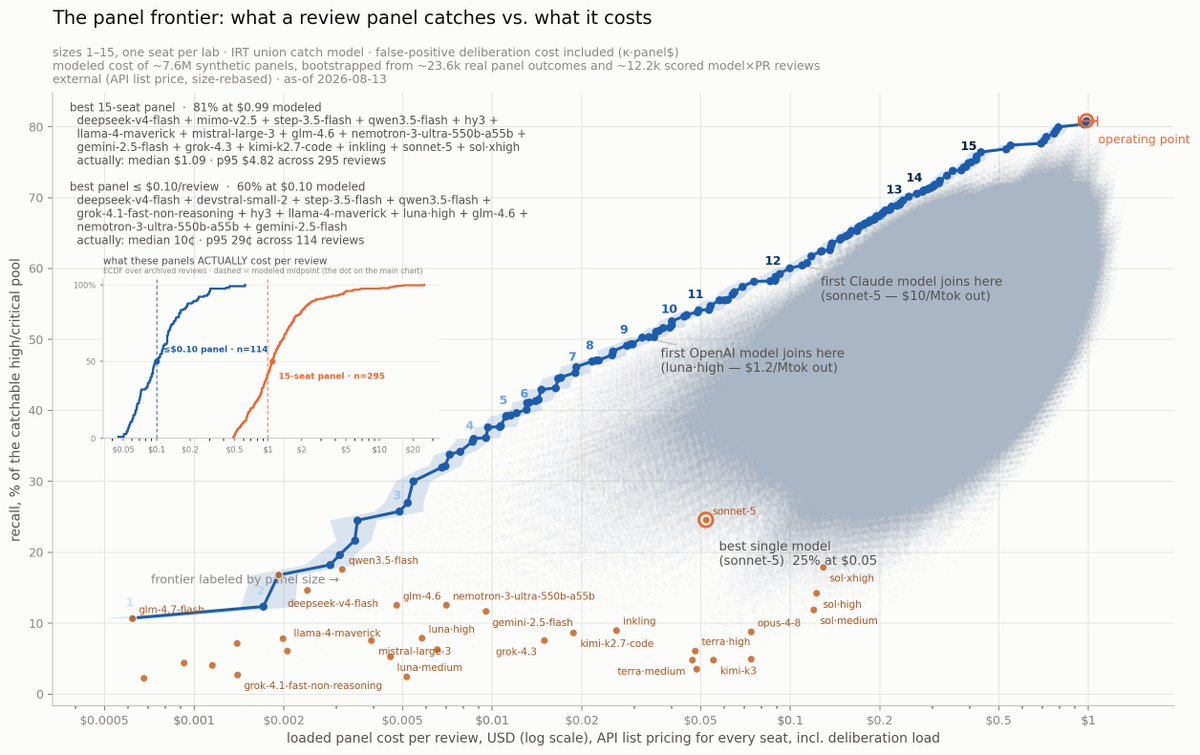
An original weird chart! How does ensembling different LLMs increase catch rate on security issues?
contributed by Andy on Aug 13, 2026 in frontier, scatters, things that go up
contributed by @chrishaid on Jul 13, 2026 in curves, scatters, grimacing
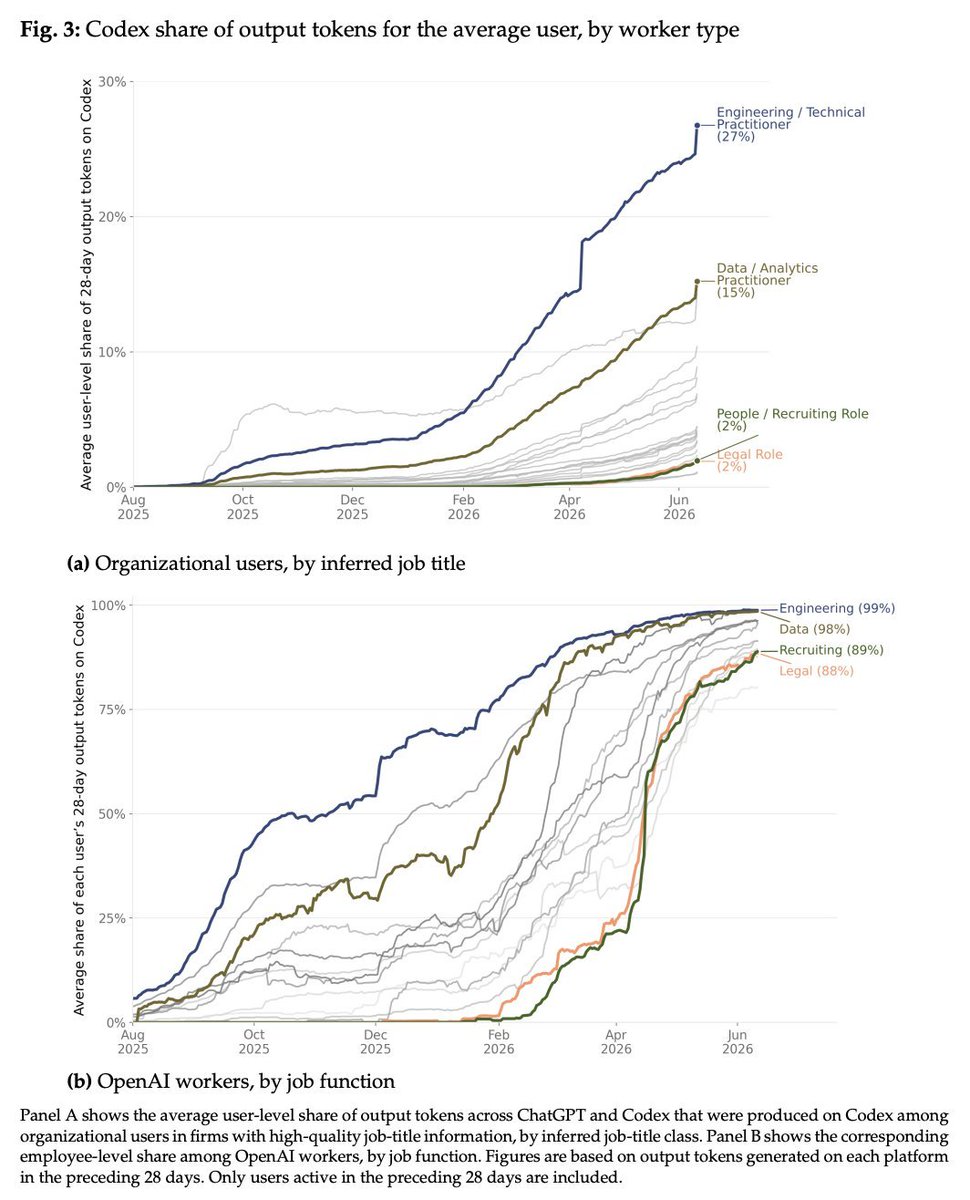
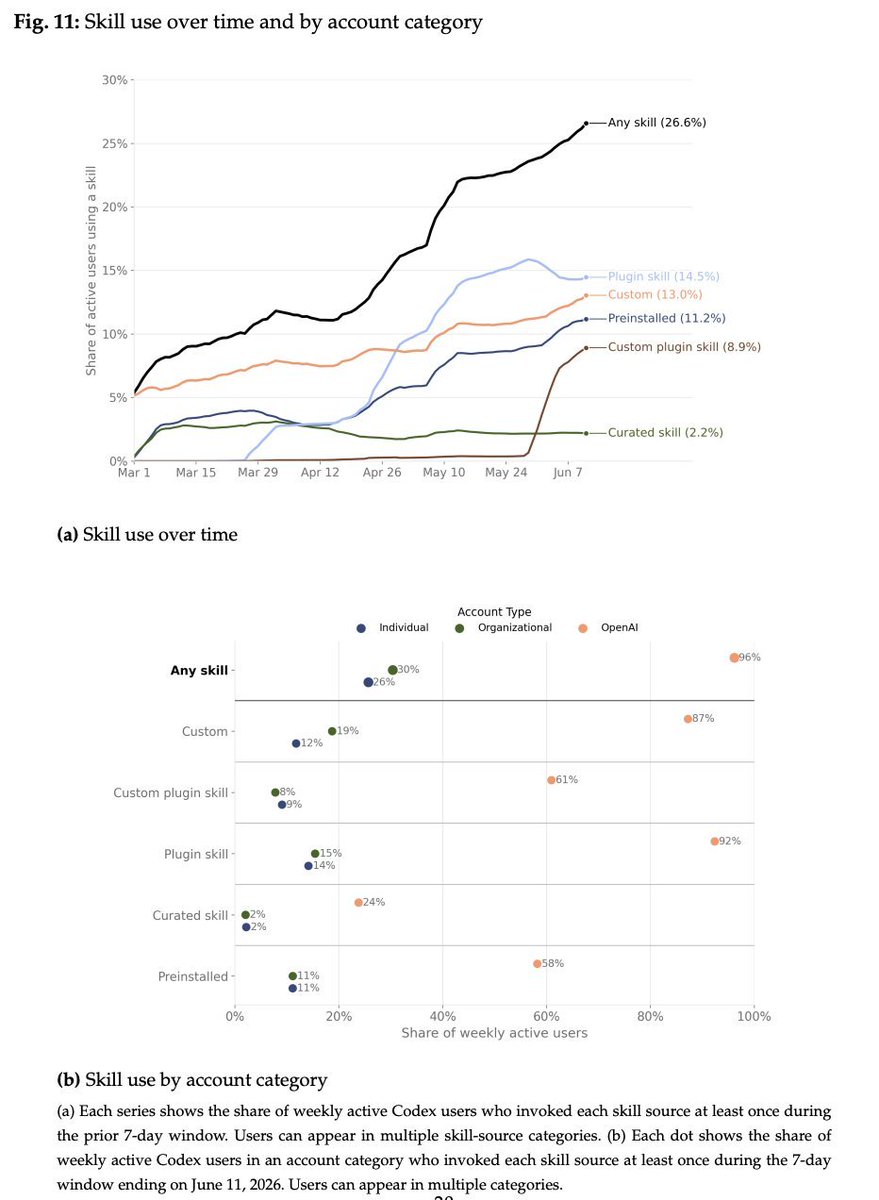
This is a fascinating and important set of data which shows us where things are going, using OpenAI as a canary in the coal mine. The chatbot era is over, and agentic systems are coming to tasks beyond engineering. And skills show promise as a way to standardize AI use in firms.
contributed by Andy on Jun 30, 2026 in curves, things that go up
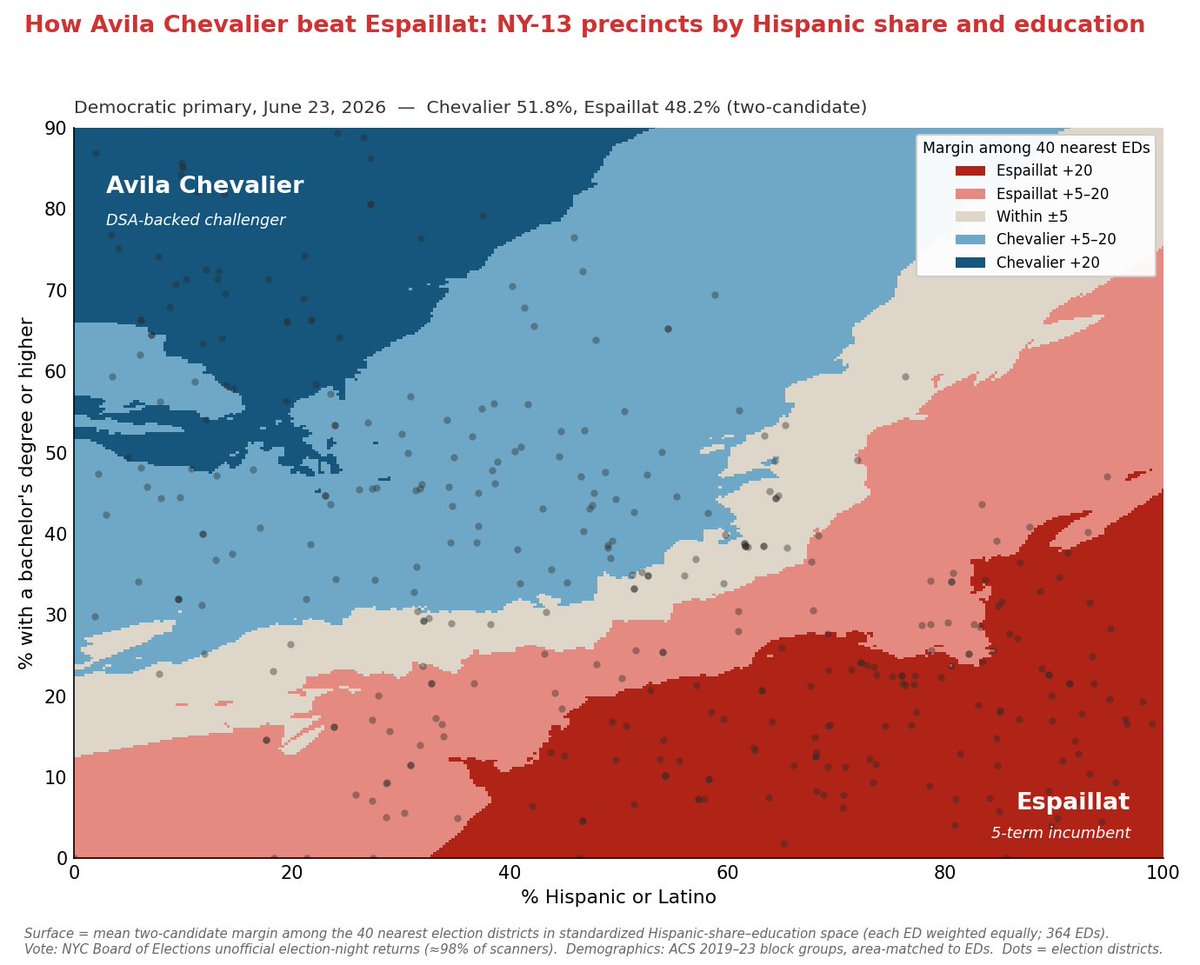
Last night's big wins for Mamdani-backed candidates were driven by young college grads, often at odds with the party's traditional working-class & minority base. In NY-13, the less Hispanic and more college-educated a district, the more likely it was to vote for the challenger.
contributed by Andy on Jun 30, 2026 in decision surface, gradient
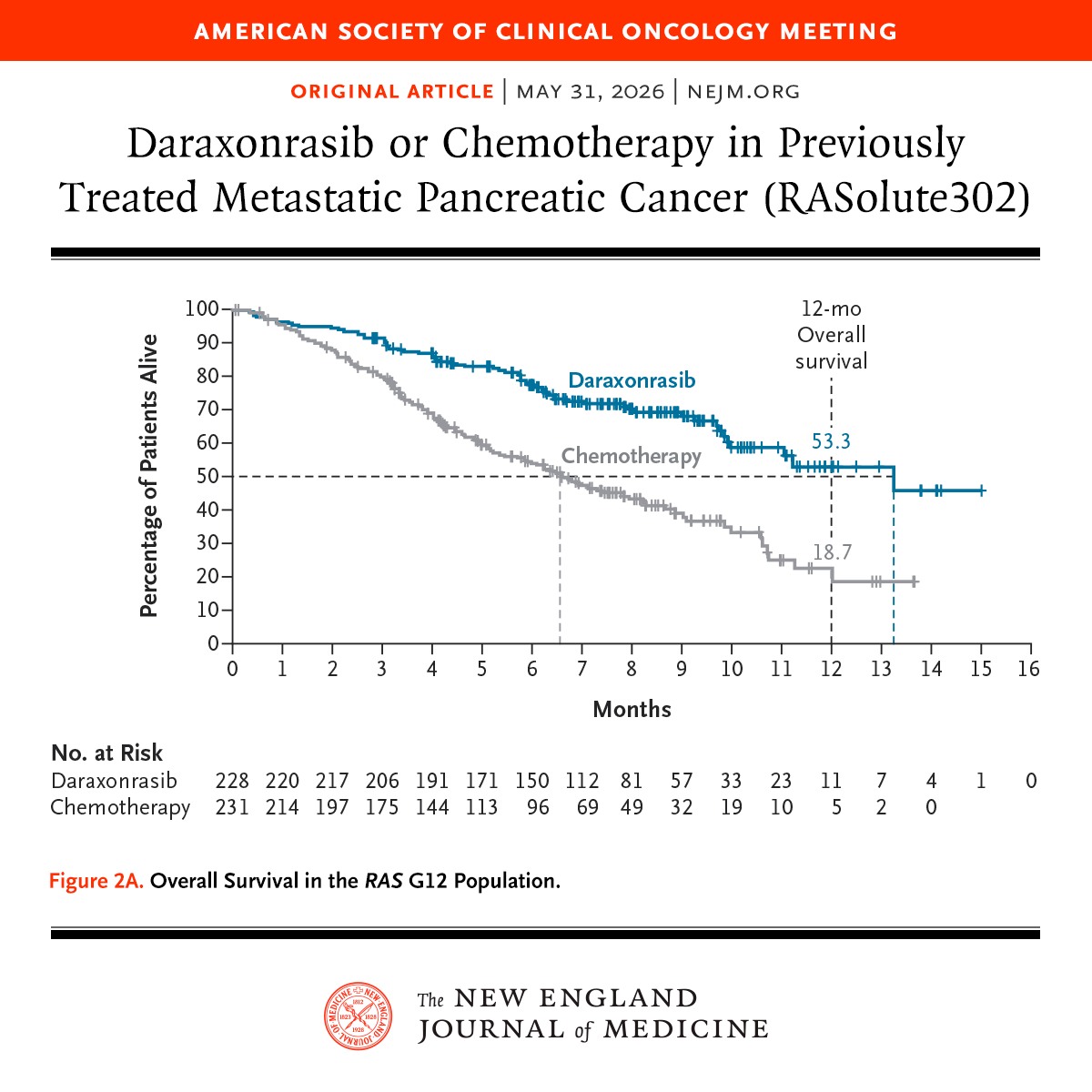
Presented at #ASCO26: Among patients with previously treated metastatic pancreatic ductal adenocarcinoma, the RAS(ON) inhibitor daraxonrasib led to significantly longer overall survival and progression-free survival than chemotherapy. Full phase 3 RASolute 302 trial results:
— @NEJM
contributed by Andy on Jun 9, 2026 in curves, things that go down, standing ovations
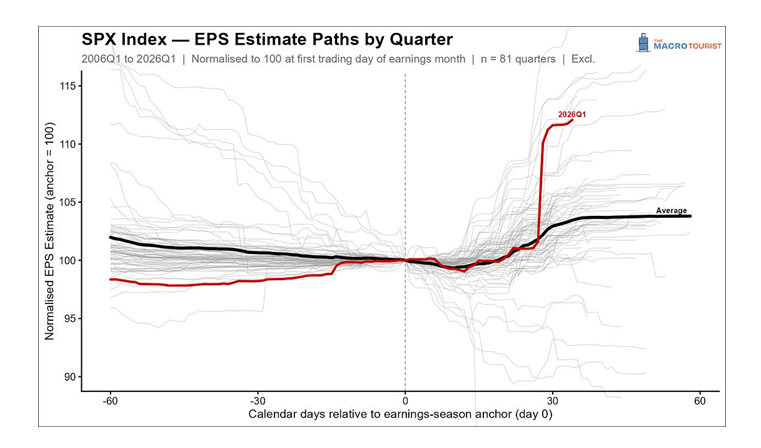
what a fantastic chart from @kevinmuir showing how unusual this earnings season has been
contributed by Andy on May 14, 2026 in spaghetti, things that go up, outlier